
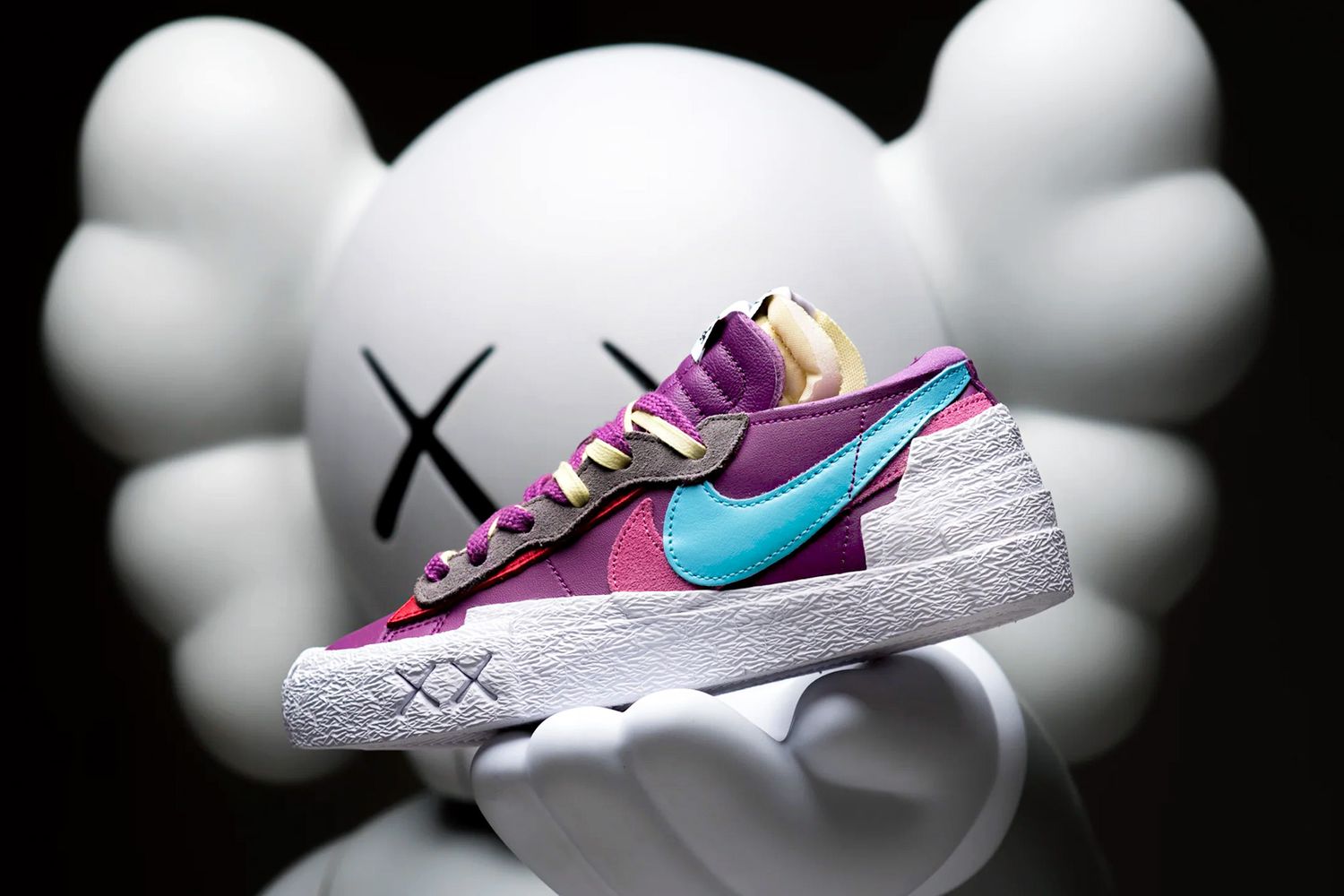
Collaborations between brands and artists have evolved far beyond simple licensing exercises, becoming one of the most effective strategies for shaping cultural relevance, refreshing visual identity, and expanding audience reach.
When the worlds of commerce and contemporary art intersect successfully, the result is often a mutually beneficial exchange: brands gain cultural credibility, distinct aesthetics, and broader visibility, while artists access new platforms, financial support, and audiences far beyond traditional gallery circuits. Within this landscape, street art has emerged as one of the most compelling creative languages for commercial collaboration.
What once existed as an anti-establishment, public-facing artistic movement rooted in urban resistance has increasingly become a powerful visual tool for global branding. Graffiti and street art bring immediacy, recognizability, and a sense of authenticity that conventional commercial design often struggles to replicate. Their visual codes, bold typography, expressive marks, repetition, subcultural symbolism, have proven remarkably adaptable across fashion, accessories, beauty, alcohol, and product packaging.
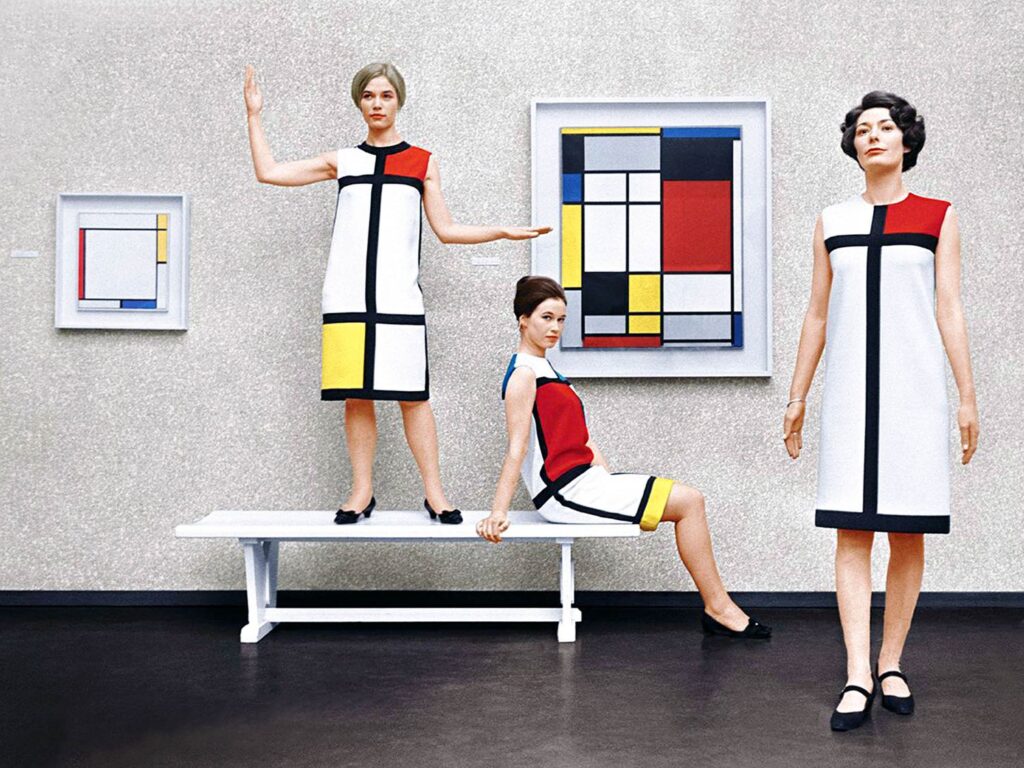
The relationship between art and commercial design is hardly new. One of the earliest and most iconic examples remains Yves Saint Laurent’s 1965 Mondrian dress, which transformed the abstract visual language of Piet Mondrian into wearable design. More than a fashion statement, it marked a significant shift in how artistic authorship could extend into consumer culture, translating two-dimensional art into living form.
Street art collaborations, however, bring a different kind of energy, one rooted less in institutional prestige and more in cultural immediacy. Brands quickly recognized that urban artists could offer not only aesthetics, but access to communities shaped by youth culture, music, fashion, and visual rebellion. By the 1980s, companies like Swatch were already pioneering this space, collaborating with artists such as Kiki Picasso and later Keith Haring, effectively transforming wearable objects into accessible art editions.
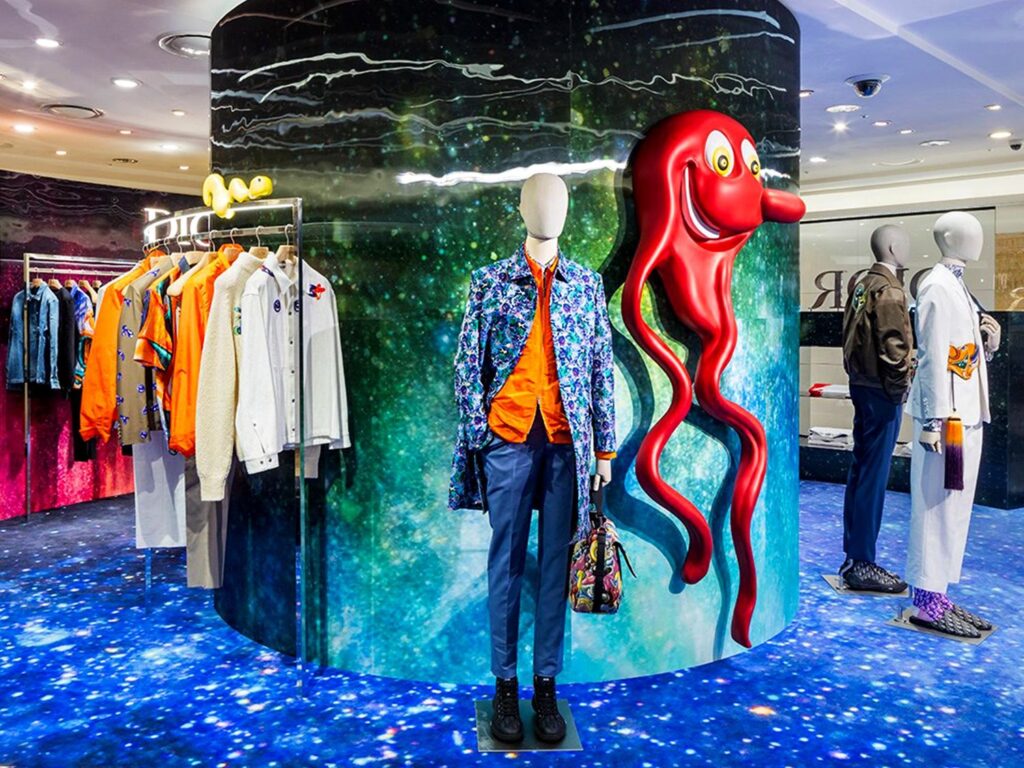
Luxury brands soon followed. Hermès collaborated with graffiti artist Kongo, while Louis Vuitton engaged artists such as Kenny Scharf, André, and INTI. Meanwhile, streetwear brands embraced the format even more aggressively, understanding the scarcity-driven appeal of artist-led capsule drops. Collaborations between Uniqlo and KAWS became instant collector phenomena, while footwear collaborations like Nike’s releases with Futura 2000 demonstrated how artist branding can directly influence resale value and cultural hype.
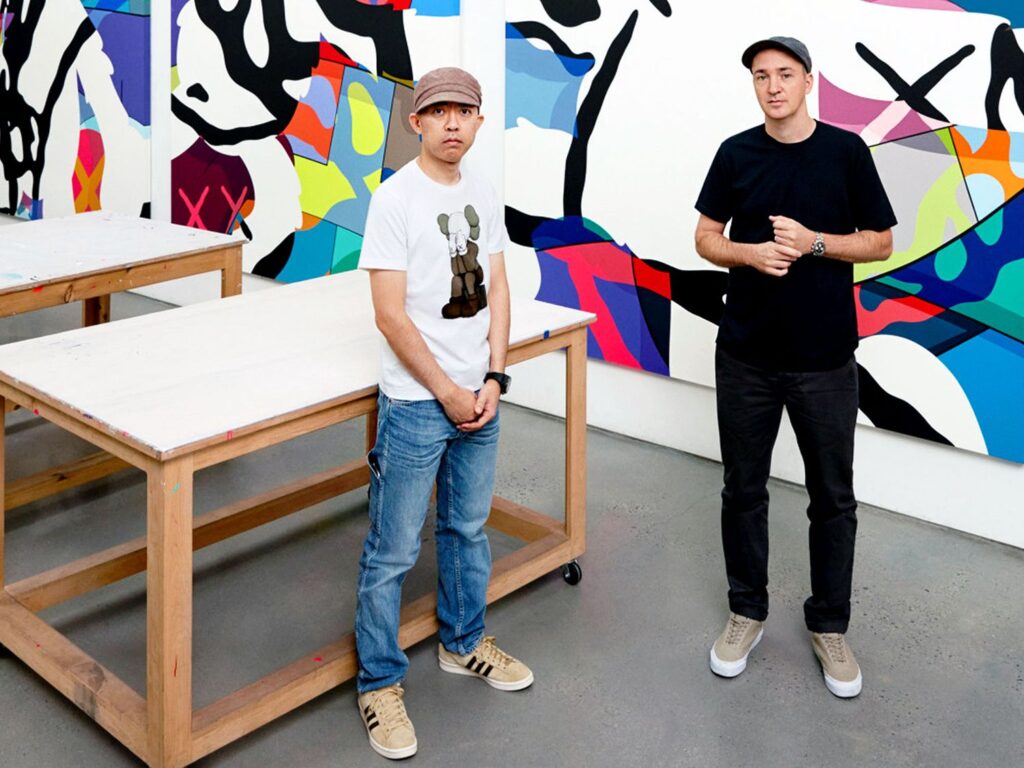
The appeal lies partly in contradiction. Street art originated outside commercial systems, often carrying anti-consumerist undertones, yet its migration into product design reflects a broader shift in how cultural value is produced and consumed. What was once free, public, and ephemeral can now appear on sneakers, luggage, fragrance bottles, or apparel as collectible commodity. Rather than diminishing the art form, this transformation has arguably expanded its visibility, allowing artists to move fluidly between public walls, galleries, and commercial platforms.
For brands, these collaborations function as far more than aesthetic refreshes. They offer complete communication ecosystems: limited-edition products, launch events, in-store installations, artist appearances, commissioned murals, social media storytelling, and large-scale experiential campaigns. The collaboration becomes not simply a product, but a cultural event, one capable of generating exclusivity, emotional engagement, and media visibility.
Street artists are particularly valuable within this context because they embody a wider cultural framework. Collaborating with a graffiti or urban artist allows a brand to align itself not only with an individual aesthetic, but with a broader ecosystem of music, fashion, youth culture, rebellion, and visual authenticity. For consumer audiences raised alongside hip-hop, skate culture, and urban visual language, these partnerships often feel less like marketing and more like cultural recognition.
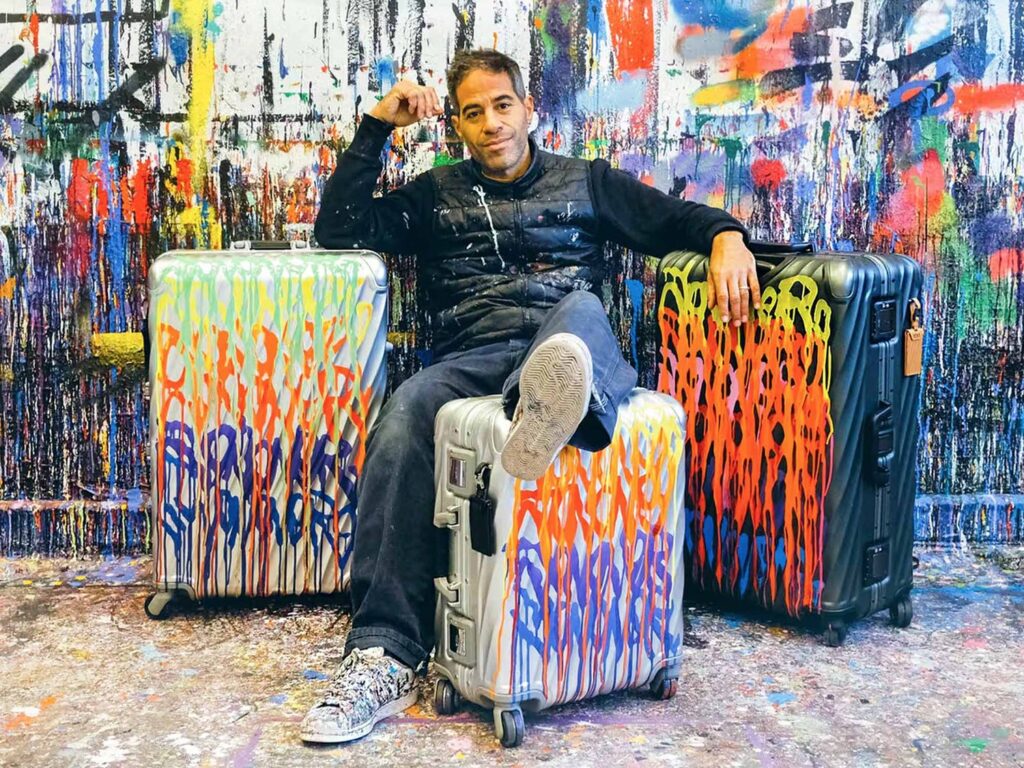
Today, street art collaborations have become a legitimate global communication strategy, one that sits at the intersection of branding, cultural production, and public spectacle. Whether through capsule collections, collector objects, or commissioned murals in urban spaces, the marriage between brand identity and artistic authorship remains one of the most effective ways to transform commerce into cultural conversation.
