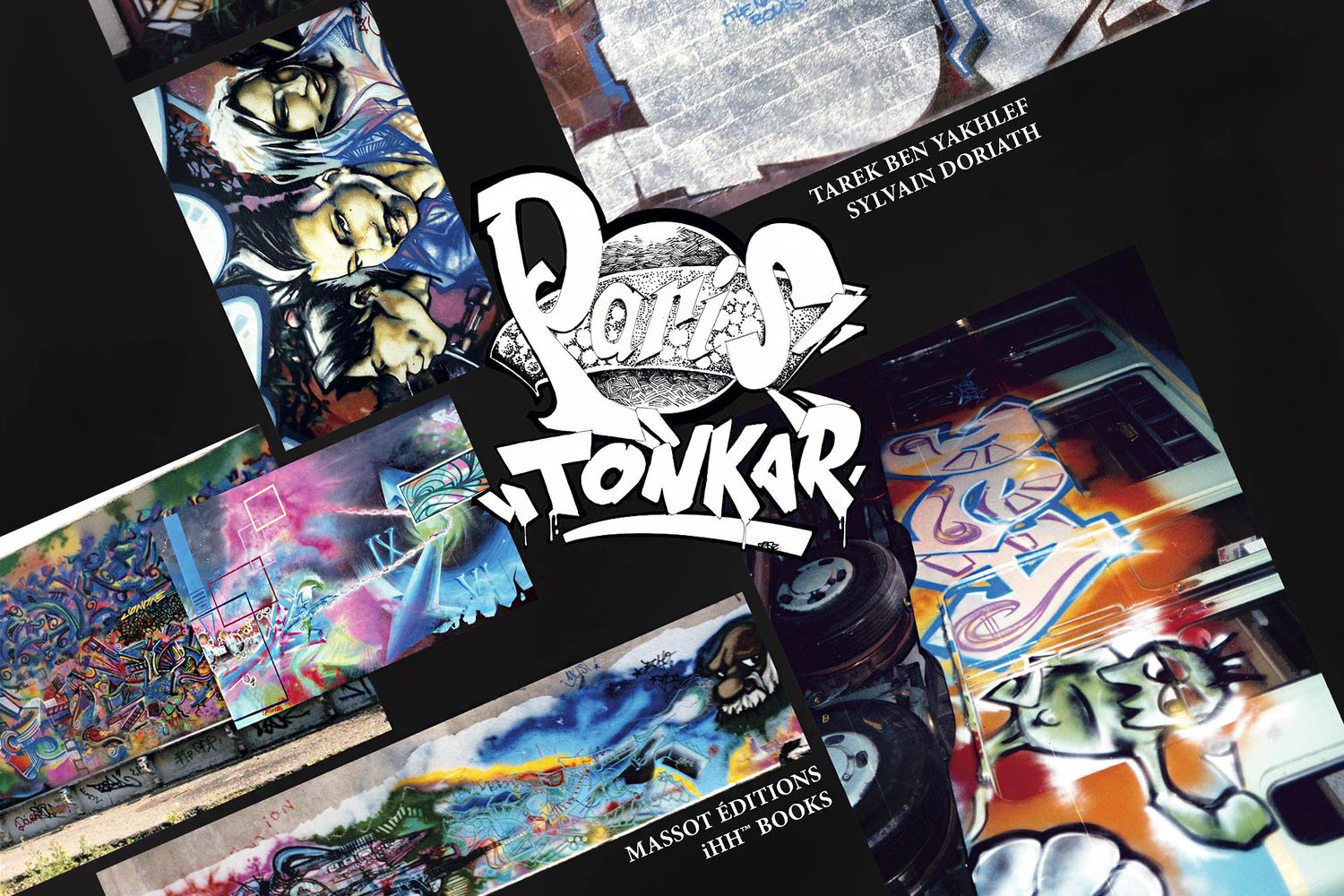
In 1991, Paris Tonkar arrived as a landmark publication, becoming the first book in France, and widely regarded as the first in Europe, to document graffiti as a serious cultural movement rather than a fleeting act of urban rebellion.
More than three decades later, the long out-of-print volume returns in a reissue that reopens a defining chapter in the history of European street culture. For generations of French graffiti writers, the book was more than documentation; it was scripture, a visual archive that legitimized a movement still in its formative years and gave voice to a scene largely ignored or misunderstood by mainstream culture.
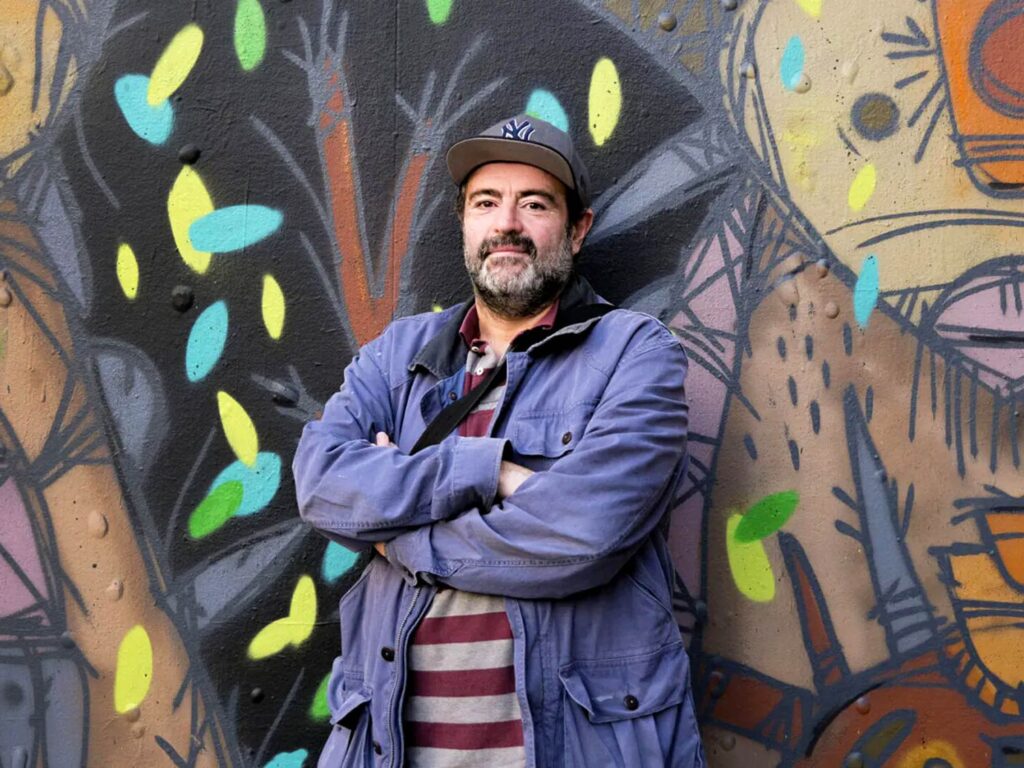
Created by Tarek Ben Yakhlef and Sylvain Doriath, both deeply embedded in the emerging graffiti scene, Paris Tonkar captured a moment when French urban expression was beginning to define its own identity, distinct from the New York roots that had inspired it. At a time when landmark publications such as Subway Art and Spraycan Art had already mythologized American graffiti, Europe had no equivalent visual record of its own. Tarek recognized that absence early. Armed first with a basic camera and later with a more serious photographic setup, he began documenting the walls, rail lines, abandoned lots, and suburban landscapes where graffiti was taking shape across Paris and its outskirts. What began as personal observation quickly evolved into a full creative obsession.
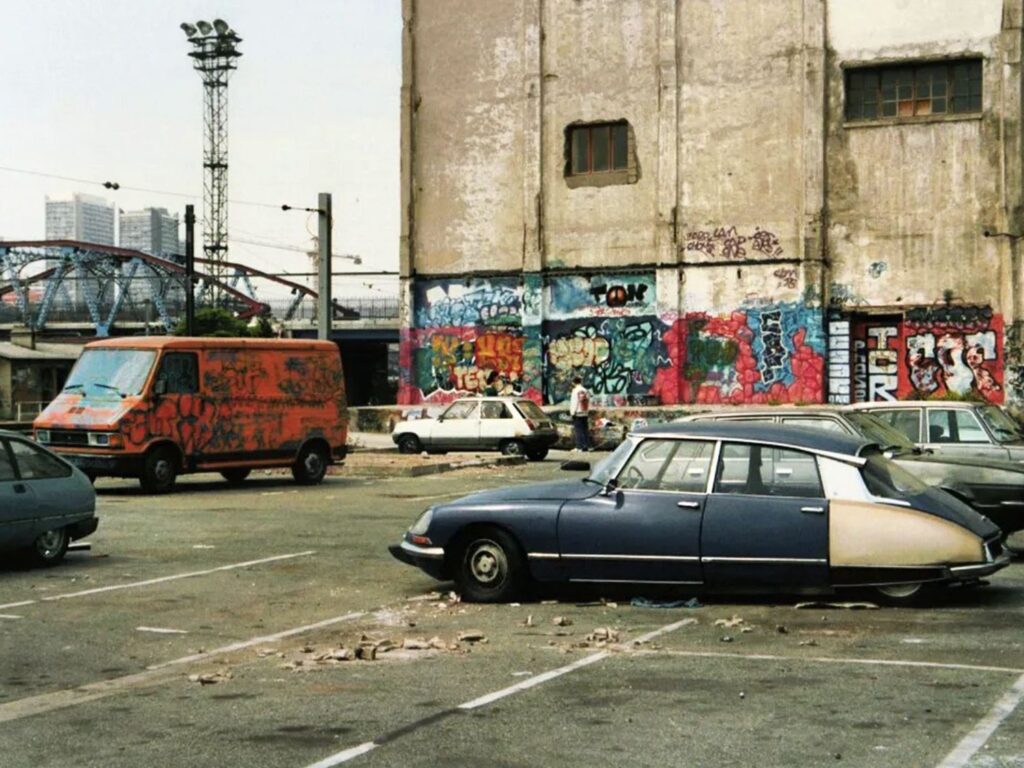
For Tarek, graffiti was never simply vandalism or visual rebellion, it was a living social language deserving of preservation. Moving through neighborhoods, train lines, and forgotten urban edges, he built an archive of images that would eventually define Paris Tonkar. The resulting publication did something unprecedented: it allowed graffiti artists to speak for themselves, articulating their motivations, aesthetics, and relationship to public space at a moment when few outside the movement were listening.
Born in Paris in 1971, Tarek developed as a multidisciplinary creative force whose work extends far beyond graffiti. Though deeply connected to urban culture from adolescence, his formal academic background in medieval history and art history at the Sorbonne added another dimension to his perspective, one that perhaps explains his instinct to document ephemeral visual culture before it disappeared. Over time, spray paint gave way increasingly to photography, writing, illustration, comics, and later studio painting, but the urban environment remained central to his visual language.
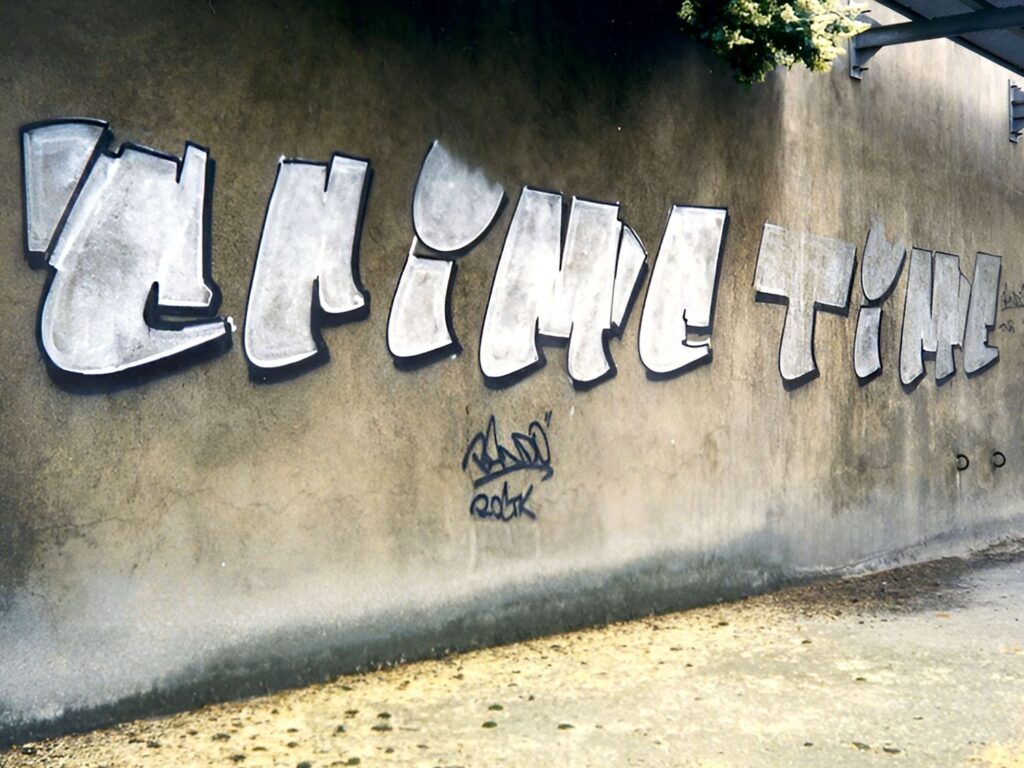
After the original publication, Tarek stepped away from the graffiti world for nearly two decades, establishing himself in comics and other creative disciplines before returning to painting in the early 2010s. Since then, his work has entered galleries, private collections, museums, and international exhibitions, while his relationship to urban culture has remained intact through murals, festivals, and continued artistic experimentation.
The 2024 reissue of Paris Tonkar carries particular significance not only because of the book’s rarity, it has been unavailable since the late 1990s, but because it restores an important historical artifact without attempting to modernize its spirit. The anniversary edition remains faithful to the original, preserving its imagery, layout, and unmistakably early-1990s tone. Rather than reframing the book through a contemporary lens, it allows the original material to speak with the urgency and authenticity of its time.
Its return also reflects the growing institutional recognition of graffiti and urban art as legitimate cultural history. What was once dismissed as subversive visual noise has since entered museums, auction houses, and academic discourse. Yet Paris Tonkar remains powerful precisely because it emerged before that validation, when graffiti still belonged entirely to the street.
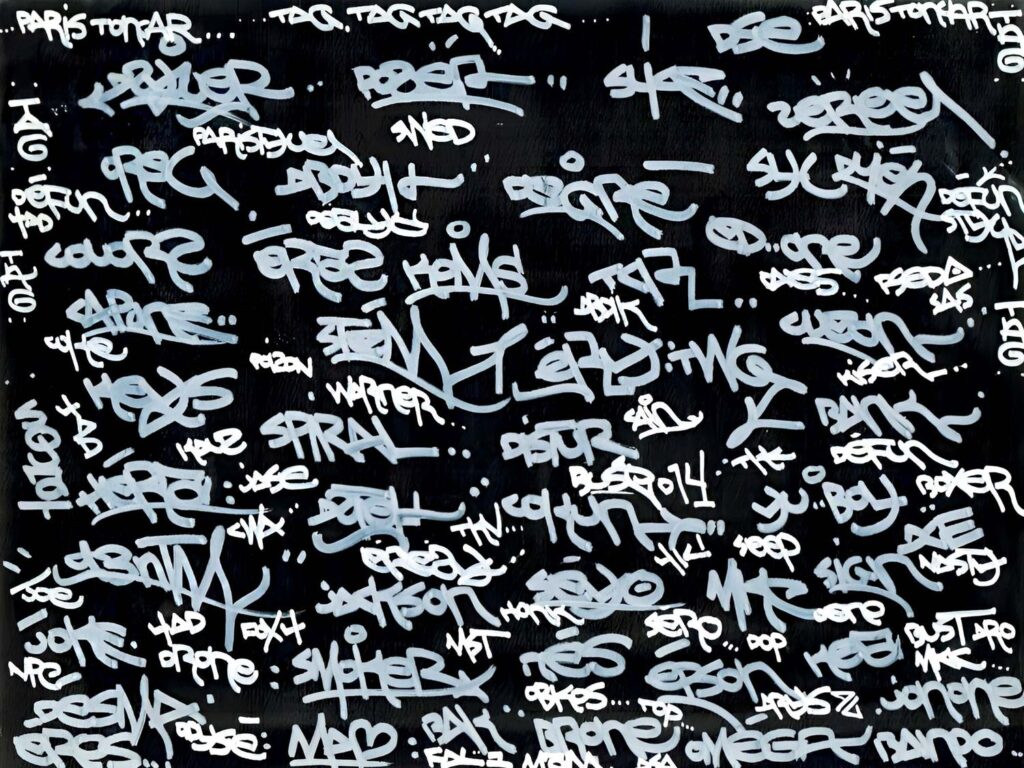
For longtime enthusiasts, the reissue offers a chance to reclaim a foundational text. For younger audiences, it serves as an entry point into a movement whose history is often filtered through nostalgia or commercialization. And for Tarek himself, it may be less a conclusion than a reopening, with the possibility of a future continuation that explores the culture from a fresh perspective.
