
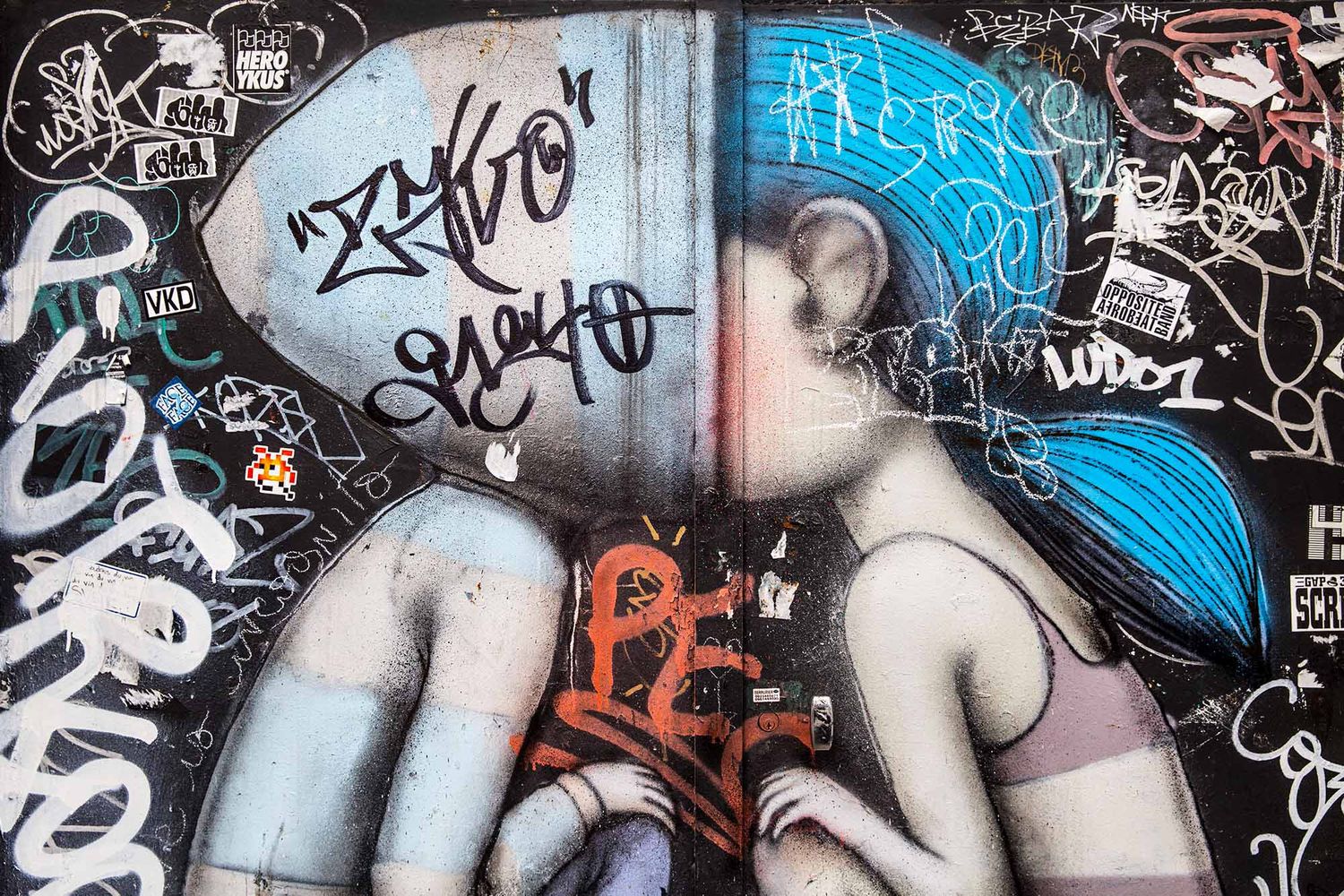
Street art is far from a single visual language. What began as an umbrella term for unauthorized artistic interventions in public space has evolved into a remarkably diverse ecosystem of techniques, materials, and creative strategies.
From stencil work and paste-ups to mosaics, sculptural interventions, and digital projections, urban art continues to reinvent itself by adapting to the city as both canvas and collaborator. Its diversity is precisely what makes the movement so resilient: each technique offers artists a different way to interact with architecture, public space, and passing audiences.
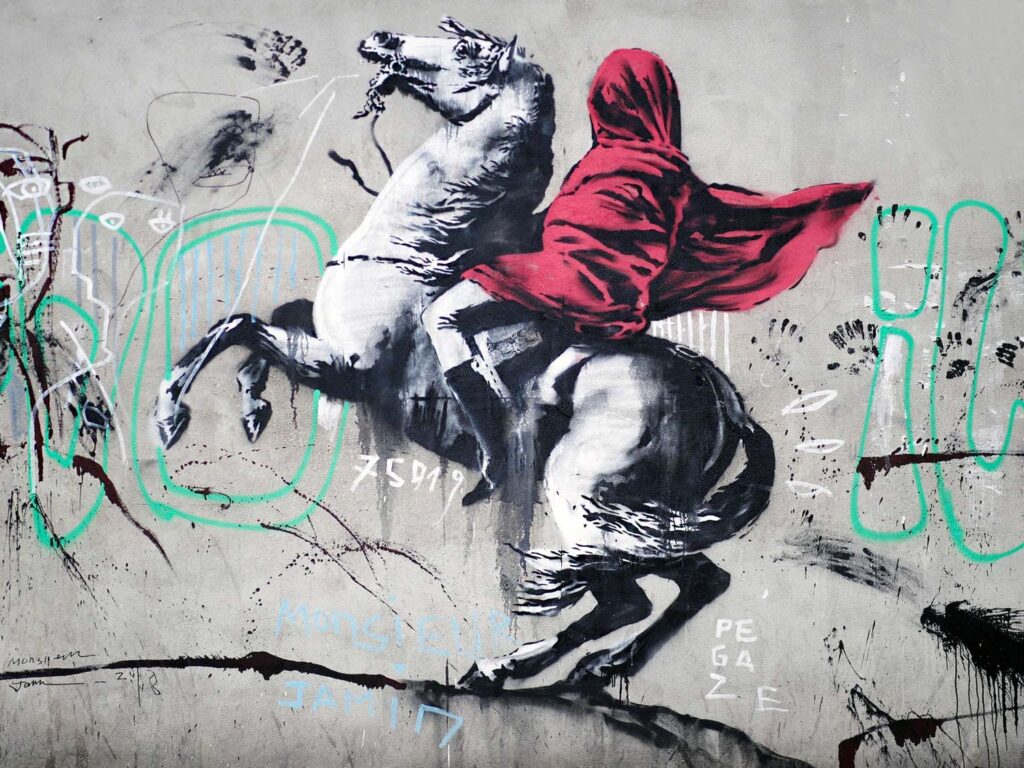
Stencil art remains one of the most recognizable forms of street expression. While the technique is now closely associated with figures such as Banksy, its roots in France stretch back much further. Artist Ernest Pignon-Ernest was already using stenciled imagery in the 1960s as a politically charged intervention, notably in anti-nuclear works referencing Hiroshima. By the 1980s, stencil became a defining visual language of urban art thanks to artists such as Blek le Rat, who helped establish the technique as a fast, reproducible, and visually precise alternative to freehand graffiti. Lightweight, portable, and adaptable to increasingly complex layering, stencils remain one of the most effective methods for creating repeatable imagery in public space.
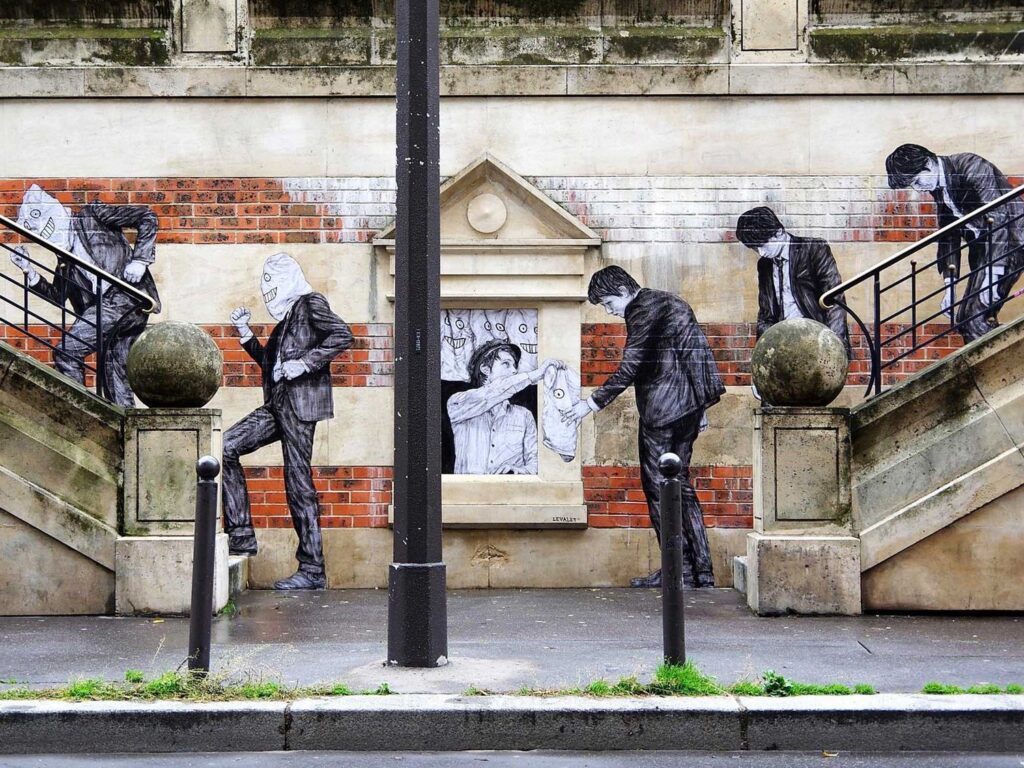
Collage, often referred to as paste-up art, introduced another major branch of street practice. Unlike direct spray application, paste-ups rely on pre-prepared imagery adhered to walls using specially chosen materials, often including wheatpaste for durability. The technique allows for greater detail, scale control, and studio preparation before installation. Artists such as JR have elevated collage into monumental public interventions, using oversized photographic portraits to transform architecture into social commentary, while others use the medium to stage theatrical narratives or intimate visual disruptions across urban surfaces.
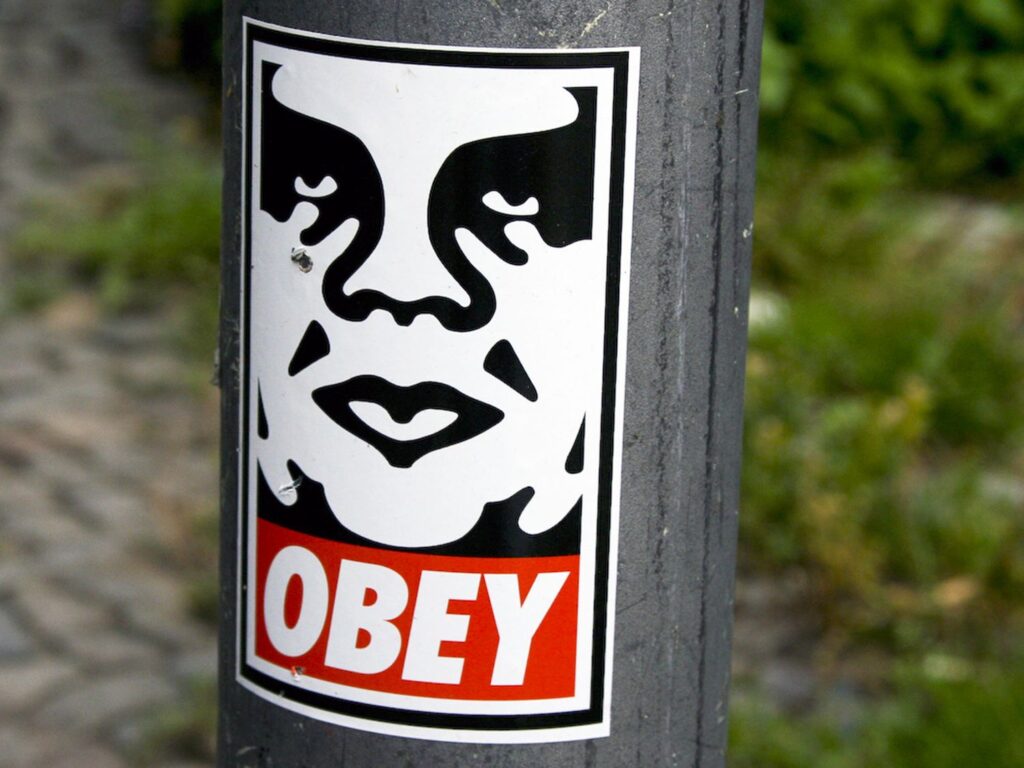
Sticker art operates through repetition, accessibility, and stealth. Lightweight, quick to deploy, and highly mobile, stickers allow artists to insert their visual identities into the city with minimal logistical effort. Mailboxes, traffic signs, poles, utility boxes, and storefronts become informal exhibition sites. One of the most influential early examples came from Shepard Fairey, whose Andre the Giant Has a Posse campaign helped establish sticker art as a legitimate urban art form rather than simple tagging paraphernalia. Today, stickers often function alongside graffiti, stencils, and branding interventions as a fast-moving tool of visibility.
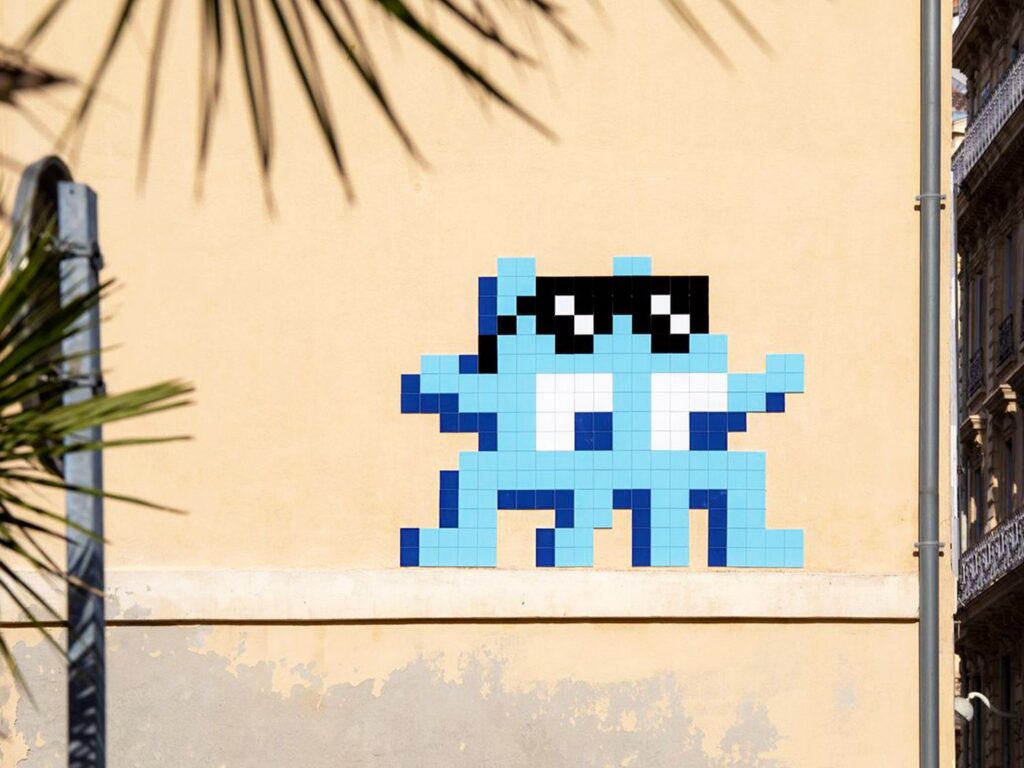
Mosaic art brings a very different sensibility to the street, one rooted in permanence, craft, and visual nostalgia. Drawing from ancient decorative traditions while embracing contemporary pixel aesthetics, mosaic interventions translate digital culture into physical public form. Invader remains the most iconic figure in this category, using tile-based tributes to retro gaming culture to create a global scavenger hunt of urban interventions. Others have adapted mosaic language toward satire, typography, road repair, or pop-cultural references, proving the technique’s remarkable flexibility.
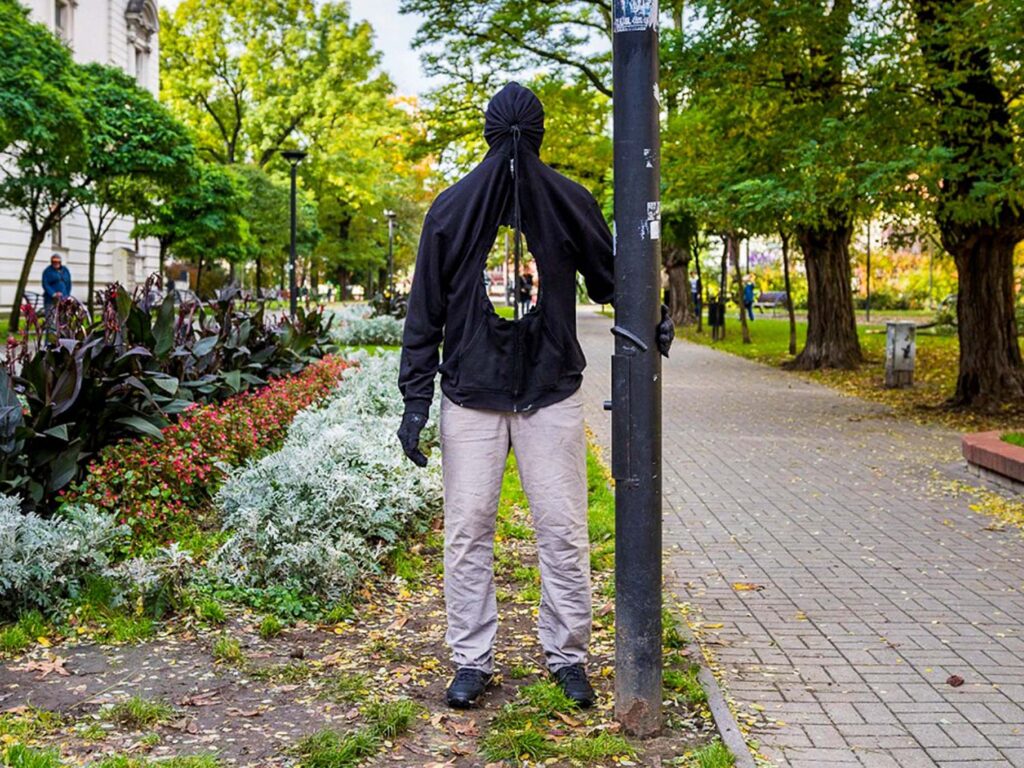
Street installations move beyond two-dimensional intervention altogether, introducing sculptural and spatial interaction into public environments. These works are often pre-constructed and strategically placed rather than created directly on walls. The result can be unsettling, humorous, poetic, or overtly political. Artists like Mark Jenkins use life-sized sculptural figures to provoke reactions through uncanny realism, while smaller-scale practitioners create miniature urban narratives that reward close observation. These interventions often blur the boundary between sculpture, performance, and urban disruption.
Tape art emerged as a more unconventional alternative to spray-based street production. Using adhesive materials instead of paint, artists construct compositions directly onto surfaces or translucent materials, often exploiting opacity, layering, and temporality. Some forms are intentionally ephemeral, while others are engineered for outdoor durability. This approach allows artists to work quickly, with minimal residue and a very different visual texture from conventional graffiti practices.

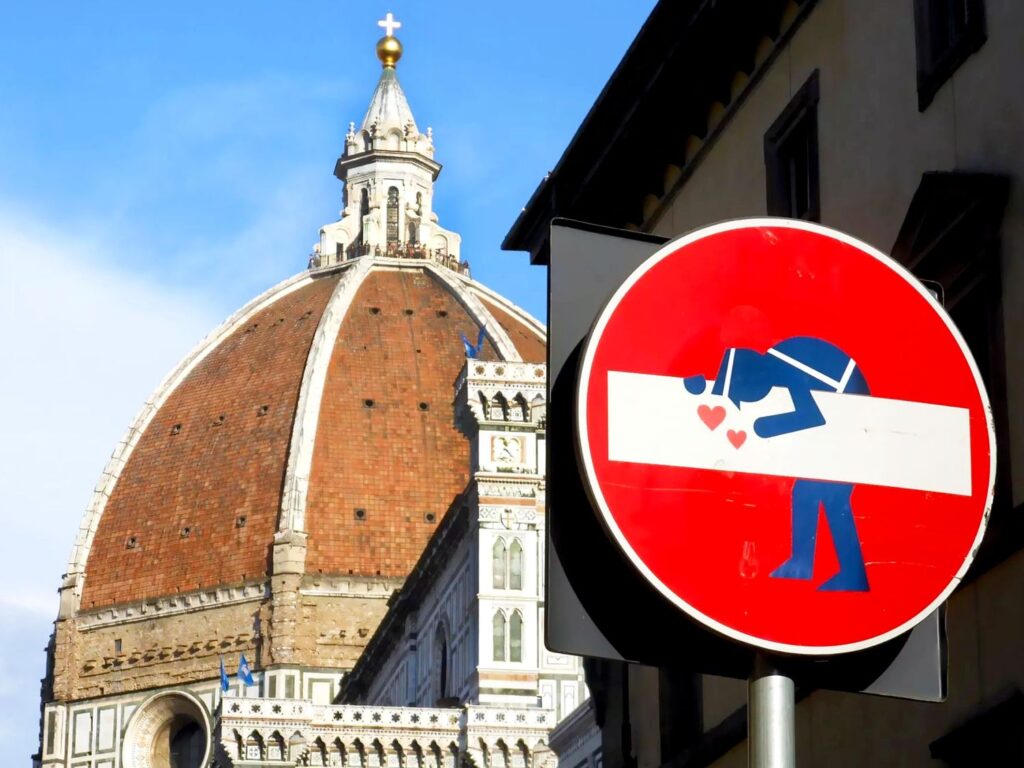
Beyond these better-known formats, urban art continues to expand into increasingly experimental territory. Artists hijack road signs, alter public infrastructure, introduce knitted interventions into cityscapes, project moving images across facades, or create temporary light-based performances captured only through photography. Figures like Clet Abraham have transformed traffic signage into humorous acts of public reinterpretation, while projection artists and yarn bombers have pushed street practice into technological or craft-driven directions.
What unites these disparate approaches is not material, style, or even legality, but a shared commitment to activating public space. Street art thrives precisely because it refuses fixed definitions. It adapts to cities, technologies, politics, and audiences, constantly mutating while remaining rooted in the same core impulse: to interrupt the everyday with unexpected acts of visual expression.
