
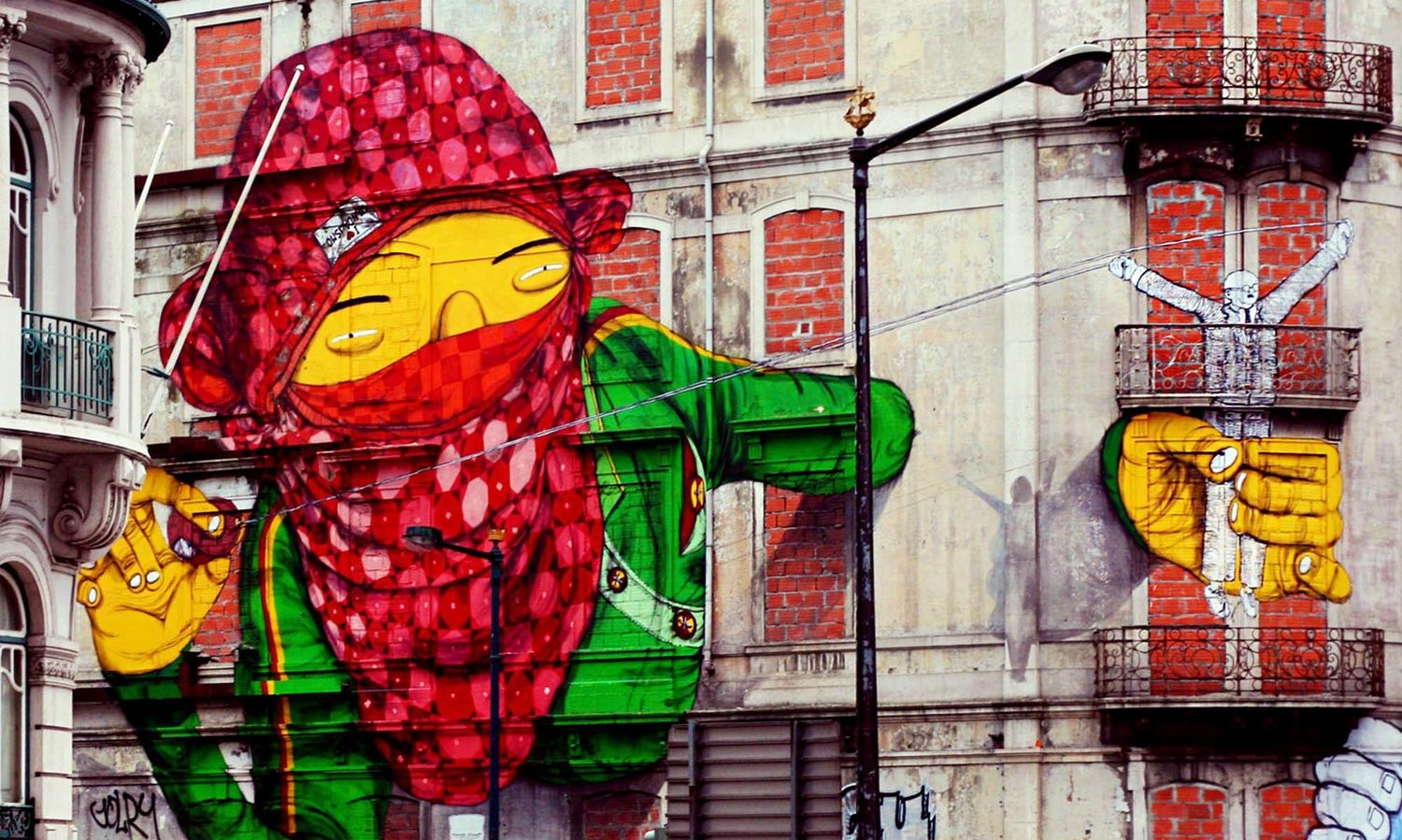
While cities like New York, Paris, Berlin, London, and Barcelona are often credited with shaping the global graffiti movement, Europe’s street art landscape extends far beyond its most obvious capitals. Across the continent, a number of cities have transformed their walls, underpasses, facades, and forgotten corners into living archives of urban creativity.
For travelers drawn to graffiti, murals, and public interventions, some destinations offer experiences that feel less like sightseeing and more like navigating open-air museums. Among the most compelling are Rome, Ghent, Lisbon, Toulouse, and Athens, five cities where street art has become inseparable from the urban experience itself.
Rome offers one of the most layered relationships between history and contemporary urban art. Beyond its ancient ruins and monumental architecture, the Italian capital has quietly developed one of Europe’s most dynamic mural scenes. Neighborhood regeneration projects have played a key role, particularly in districts once overlooked by mainstream tourism. Tor Marancia, for example, has been transformed into a large-scale public art zone through ambitious mural commissions, while Ostiense has evolved into a dense concentration of works by both Italian and international artists. The city’s street art extends well beyond decorative spectacle; environmental interventions, politically charged works, and site-specific murals coexist across districts like Testaccio, Pigneto, Quadraro, and Torpignattara, turning Rome into a city where urban art unfolds as both cultural revitalization and visual dialogue.
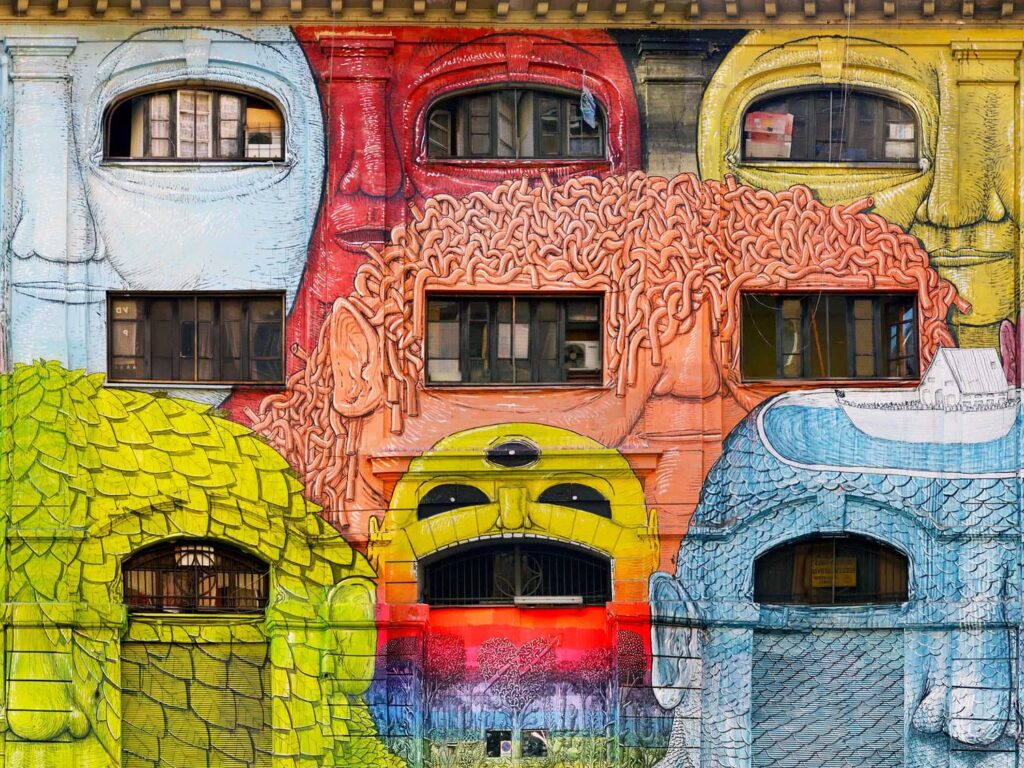
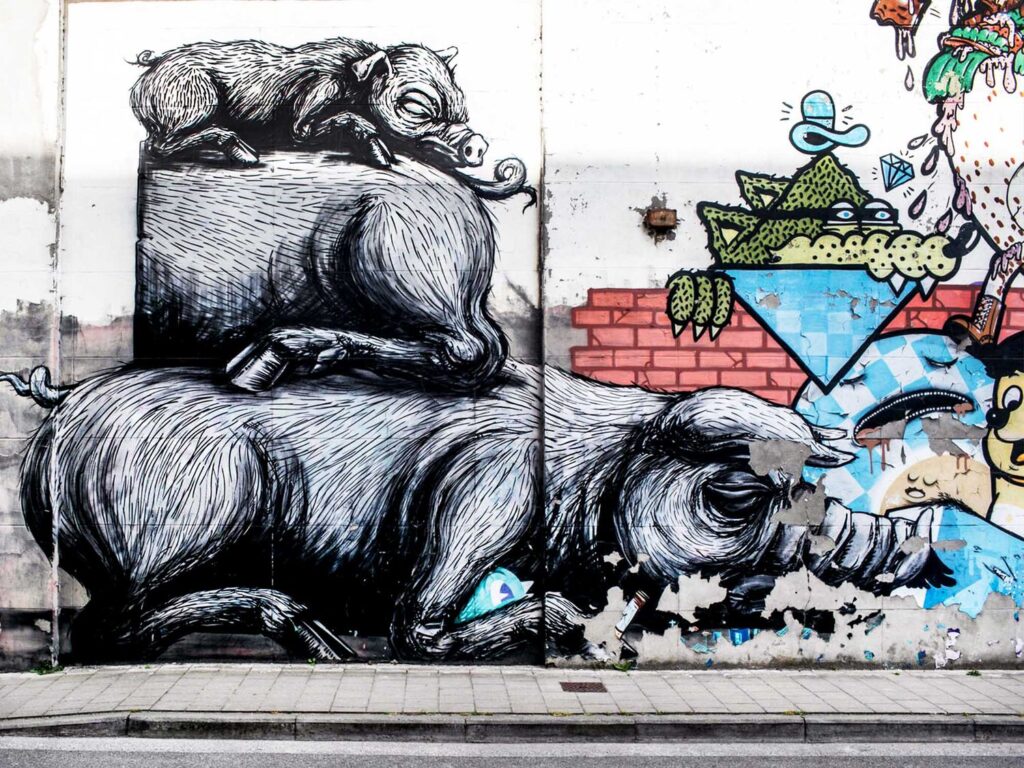
Ghent offers a different rhythm, smaller in scale, perhaps, but deeply embedded in everyday urban life. The Belgian city has embraced street art not as isolated interventions but as part of its broader cultural identity. Its most iconic site remains the constantly evolving graffiti alley, where legal expression has turned a narrow urban passage into a living visual conversation. Yet Ghent’s appeal lies in how thoroughly street art disperses throughout the city rather than concentrating in a single district. Murals, interventions, and artist-led works appear unexpectedly across facades and side streets, making discovery part of the experience. The city’s open support for public art, combined with curated maps and dedicated walking routes, creates an unusually accessible environment for exploring urban creativity.
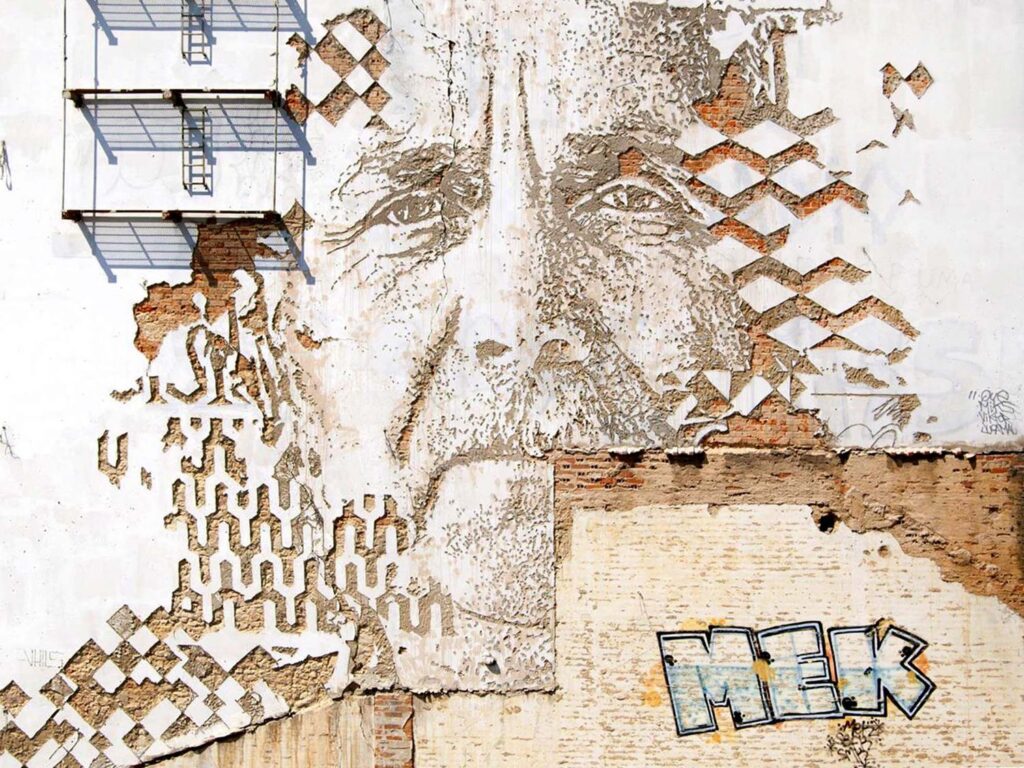
Lisbon has become one of Europe’s most visually charged street art destinations, where graffiti, stencil work, paste-ups, and monumental murals coexist against the city’s layered architectural landscape. Unlike cities that merely tolerate urban art, Lisbon has actively integrated it into its cultural identity, allowing artists significant visibility across multiple neighborhoods. The result is a city where public art feels both organic and institutionally embraced. Portuguese figures such as Bordalo II and Vhils have helped define Lisbon’s visual language, while international artists have continuously contributed to its walls. From politically charged graffiti corridors to ambitious festival commissions, Lisbon’s street art scene reflects a city comfortable with contradiction, equal parts raw, curated, rebellious, and touristic.
Toulouse remains one of France’s most significant graffiti strongholds outside Paris, with a history deeply connected to the original spread of graffiti culture in Europe. Emerging in the late 1980s under the influence of New York’s visual vocabulary, the city developed a fiercely local scene that evolved into an internationally respected urban art ecosystem. What makes Toulouse compelling is its authenticity: graffiti here still feels closely tied to its roots rather than fully absorbed into institutional cultural branding. At the same time, commissioned murals, festivals, and tolerated painting zones coexist with spontaneous interventions, preserving the productive tension between sanctioned art and subcultural practice. The city’s visual identity owes much to generations of artists who helped shape its streets into one of France’s most energetic public canvases.
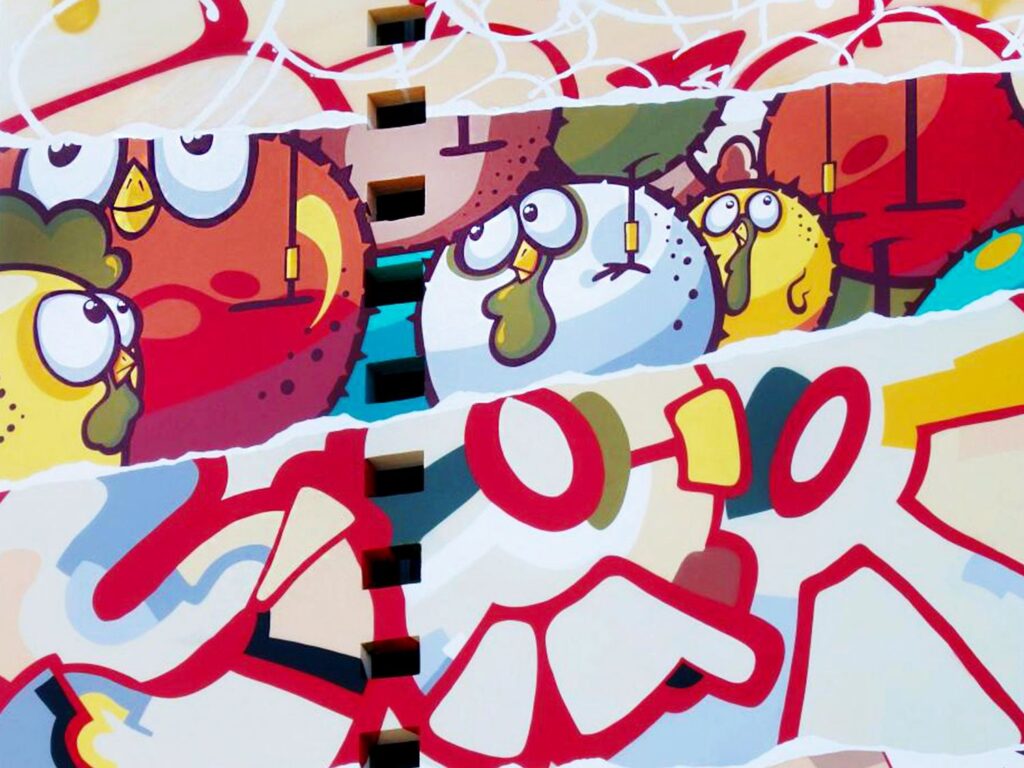
Athens may be the most politically charged of them all. Since the economic crisis reshaped the city’s social and visual fabric, Athens has emerged as one of Europe’s most powerful centers for contemporary street expression. Here, graffiti is not merely decorative; it often functions as social commentary, protest language, emotional release, or direct political intervention. Entire neighborhoods feel saturated with visual dissent, with walls layered in slogans, paste-ups, tags, stencil works, and monumental murals that reflect the city’s turbulent recent history. Districts such as Exarchia, Psyrri, and Metaxourgio have become synonymous with this energy, where local pioneers and international artists alike contribute to a scene that remains deeply alive, emotionally charged, and constantly shifting. Athens does not simply display street art, it breathes through it.
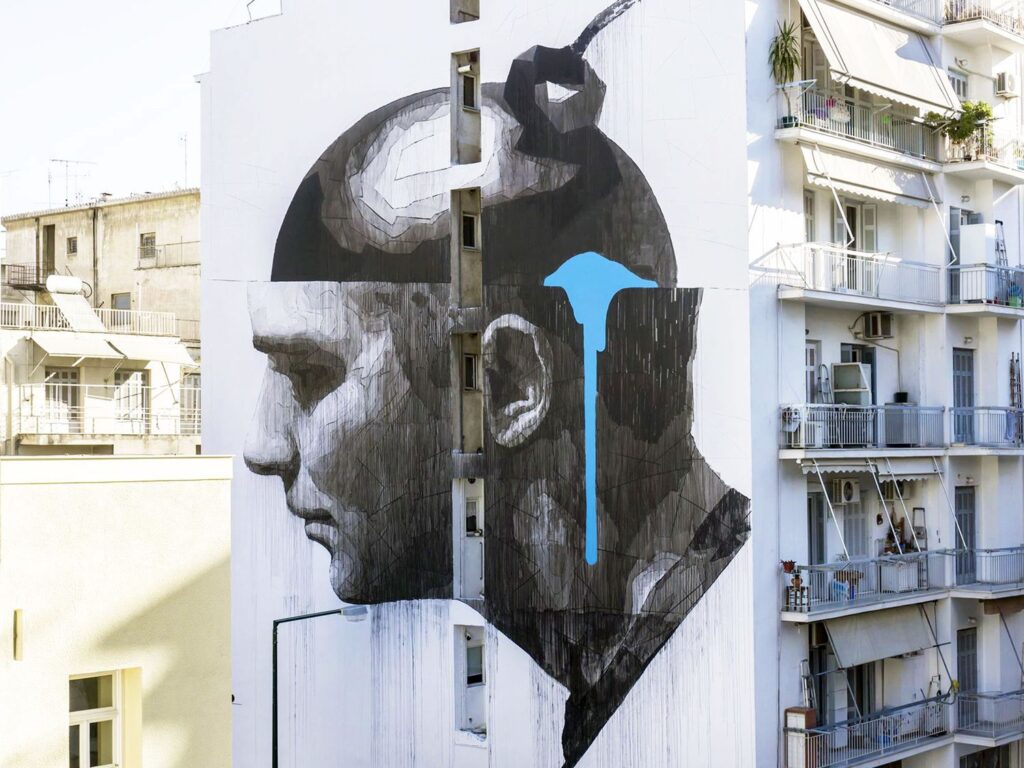
Each of these cities offers a distinct relationship to urban art. Rome monumentalizes it, Ghent democratizes it, Lisbon celebrates it, Toulouse preserves its rebellious lineage, and Athens weaponizes it. Together, they reveal the extraordinary range of what street art can be when embedded within the rhythms, tensions, and histories of the city itself.
